

K3 Site-Preparation Guide
A level container starts with what is underneath it.
Compare compacted gravel, railroad ties, concrete supports, footings and full slabs—then prepare a site that helps your container stay level, dry and easy to use.
The Short Answer
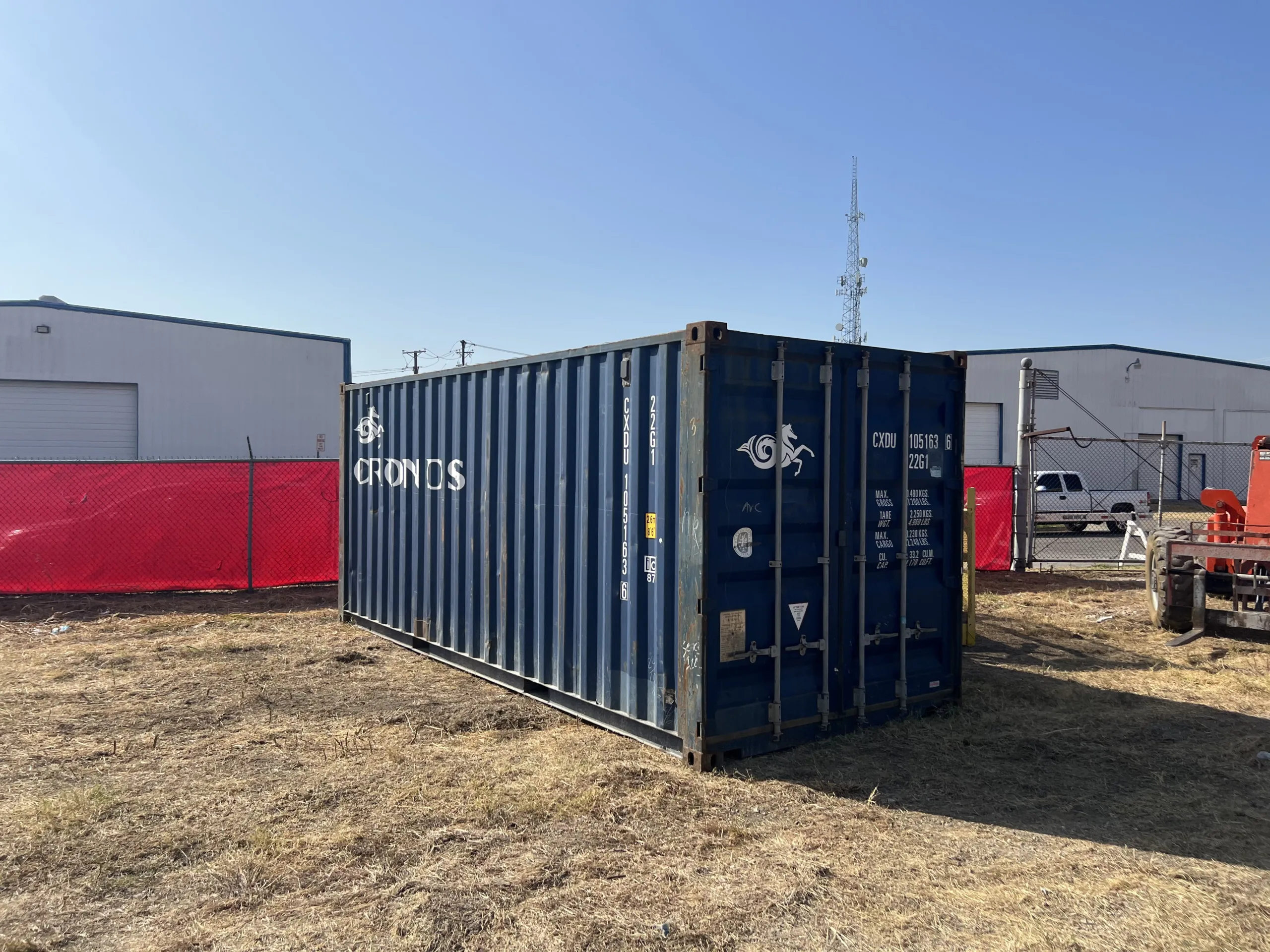
Put a shipping container on a firm, level and well-drained base that supports its corner castings evenly. For many Central Texas storage sites, a properly prepared pad of compacted crushed limestone or road base offers the best balance of drainage, stability, cost and future flexibility.
The container itself may be built from heavy steel, but its long-term performance still depends on the ground beneath it. A container placed directly on soft soil, grass or uneven supports can settle, twist and hold moisture underneath. The first problem many owners notice is not structural failure—it is a cargo door that suddenly becomes difficult to open or close.
The right base does not have to be expensive. It does need to match the soil, drainage, container size, expected contents and length of use. This guide explains the most common choices and the mistakes to avoid before delivery day.
Why the Base Matters
A good base does more than make the container look level. It helps the container remain square, moves rainwater away from the steel, reduces settlement and gives the delivery team a defined placement area.
- Doors are more likely to remain aligned and operate normally.
- Corner castings are less likely to settle at different rates.
- The underside stays away from standing water, mud and constant ground moisture.
- Customers can reach the doors without stepping into a low or muddy area.
- Future maintenance, inspection or relocation is easier to plan.
Start With the Four Corners
Shipping containers transfer their main structural loads through the corner posts and corner castings. The first goal is therefore to give all four corners stable support at the same elevation. A container can be level from end to end and still be twisted across its width, so both directions—and the door operation—must be checked.
Long containers, very heavy contents, extensive modifications or unusual soils may justify additional intermediate support. Those supports must share the same plane rather than forcing the center higher than the ends. When the container will become an occupied structure, support heavy equipment, be stacked or receive major structural modifications, involve a qualified foundation or structural professional.
Quick Comparison of Container Base Options
| Base option | Best for | Why people use it | What to watch |
|---|---|---|---|
| Compacted crushed stone or road base | Most residential, farm, ranch and commercial storage sites | Good drainage, adjustable, economical and easy to repair | Organic soil must be removed; angular material must be compacted |
| Railroad ties or heavy treated timbers | Temporary or movable installations on already firm ground | Raises the container and creates visible support points | Ties must be sound and level; reused railroad ties may contain creosote |
| Solid concrete pads or pier blocks | Firm sites needing durable corner supports | Long-lasting, clean and easy to level when properly based | Use solid, load-suitable units; do not use hollow cinder blocks |
| Concrete footings or piers | Long-term installations, difficult soils or modified containers | Permanent support with precise elevations | Requires planning, excavation and appropriate structural design |
| Full concrete slab | Permanent sites, frequent rolling equipment or high-use commercial storage | Clean working surface, excellent access and predictable support | Highest cost; drainage, reinforcement and permits must be planned |
The best option depends on soil, drainage, container weight, intended use and local requirements. This comparison is general site-planning guidance, not a site-specific structural design.
1. Compacted Gravel or Road Base: Best for Most Storage Sites
For an ordinary storage container on a residential, farm, ranch or commercial property, a compacted crushed-stone pad is usually the most practical choice. In Central Texas, crushed limestone or another angular road-base material can lock together when compacted while still allowing the area to drain.
A good gravel pad is not simply a pile of rock spread over grass. The organic layer and soft topsoil should be removed as needed, the subgrade should be firm, and the base material should be compacted in controlled layers. The finished container footprint should be level even when the surrounding grade slopes away to carry water.
A Useful Gravel-Pad Checklist
- Use angular crushed stone, crushed limestone or road base—not loose round pea gravel.
- Remove vegetation, roots and unstable organic soil from the support area.
- Compact the subgrade and base material instead of relying on the delivery truck to settle it.
- Make the pad wider than the container footprint so water and mud do not collect along the sides or at the doors.
- Keep the pad level under the container while grading the surrounding property to move water away.
- Recheck the corners and doors after the first heavy rains or freeze-thaw cycle.
2. Railroad Ties or Heavy Timbers
Railroad ties and heavy timbers are popular because they raise the container, create obvious support points and can be removed later. When used, the pieces should be straight, sound and fully supported by firm ground or a compacted base. They are normally placed across the container width near the ends so the corner castings bear evenly.
Do not use ties that are rotten, badly split, uneven or partially buried in soft soil. Random pieces of different thickness can twist the container instead of leveling it.
Read the EPA information about creosote-treated wood before selecting reused railroad ties.
3. Concrete Blocks, Pads and Pier Supports
Solid concrete pads or properly selected pier blocks can create durable support points when the soil beneath them is stable. They work best when placed on a compacted base large enough to spread the corner load and resist settlement.
Do Not Use Ordinary Hollow Cinder Blocks
Lightweight hollow masonry blocks can crack or crush under concentrated loads—especially when turned on their sides, stacked loosely or placed directly on soft soil. Use solid, load-suitable concrete units or professionally designed supports instead.
Avoid tall stacks of small blocks. The farther a container is raised, the more important lateral stability, safe access and load distribution become. If significant elevation is required, a designed pier or footing system is a better solution than improvised stacking.
4. Concrete Footings or Piers
Concrete footings or piers provide permanent, accurately placed support for long-term installations. They can be helpful on difficult soils, sloped sites or projects where the container will be modified and remain in one location.
The footing size, depth, reinforcement and spacing should reflect the soil and expected loads. This is also where underground utilities, drainage paths, setbacks and local permit requirements must be resolved before excavation.
5. Full Concrete Slab
A full slab is not necessary for every storage container, but it can be the best choice for a permanent commercial site, a container accessed daily, a project using carts or rolling equipment, or an installation that needs a clean working surface around the doors.
The slab must still manage water. A perfectly flat slab surrounded by higher ground can become a shallow basin. Plan the finished elevation, reinforcement, edge conditions and drainage so water cannot remain against the container's bottom rails.
Can a Container Sit on Asphalt?
A sound asphalt lot may work for a container, but Central Texas heat and concentrated corner loads can contribute to rutting or settlement. Inspect the pavement condition and consider solid load-spreading pads under the corner castings. Avoid placing a heavily loaded unit over patched, thin or visibly soft asphalt without further evaluation.
Base Materials and Setups to Avoid
Bare grass, uncompacted topsoil or fill that has not finished settling.
Spots where roof runoff or surface water will collect beneath the container.
Pea gravel or river rock that shifts instead of compacting.
Hollow cinder blocks, bricks or thin patio pavers under concentrated corner loads.
Rotten ties, scrap lumber, mismatched supports or tall unsecured block stacks.
A site that blocks drainage, utilities, fire access or future delivery-truck access.
Also avoid placing a center support higher than the end supports. That can introduce a new twist instead of correcting the original problem.
How to Prepare the Site Before Delivery
- Choose the final location. Confirm door direction, daily access, drainage, security, property restrictions and room for the delivery truck.
- Locate underground utilities before digging. In Texas, contact 811 before excavation and confirm whether private lines also need a separate locate.
- Remove unstable material. Clear vegetation, roots, debris and soft organic soil from the support area.
- Build and compact the base. Prepare the gravel pad, supports, footings or slab according to the site plan.
- Check the level in both directions. Verify the four support points are in the same plane and mark the exact container corners.
- Protect the delivery route. Clear gates, branches, wires, equipment, vehicles and soft areas that could interfere with placement.
- Test the doors immediately after placement. Open and close both doors before the delivery equipment leaves whenever site conditions allow.
- Recheck after settlement and heavy rain. Correct a low corner before the container becomes heavily loaded.
If the site preparation requires digging, review Texas811 homeowner guidance. For delivery access and placement planning, review K3's Central Texas delivery guide.
What If the Doors Bind After Delivery?
A difficult door does not always mean the door hardware is damaged. First, check whether one corner has settled or whether the container is slightly twisted. A small elevation difference can show up quickly at the large door opening.
- Remove loose dirt or debris from the support points.
- Use a long level or laser to check both length and width.
- Compare the diagonal shape of the door opening and look for a low corner.
- Have qualified equipment lift the affected corner safely; never crawl beneath an unsupported container.
- Add or correct a solid shim or support that provides full, stable bearing.
- Retest the doors before loading the container heavily.
Frequently Asked Questions
Does every shipping container need a concrete slab?
No. Many storage containers perform well on a properly prepared compacted gravel pad with stable corner support. A slab is more useful for permanent, high-use or heavily modified installations.
How far should a container be raised off the ground?
Raise it enough to stay clear of standing water and permit drainage and inspection, without creating an unnecessarily high or unstable platform. The right elevation depends on the property and access needs.
Does a 40-foot container need support in the middle?
The four corners are the primary support points. Additional support may be appropriate for heavy contents, long-term use, modifications or site-specific soil conditions, but it must remain in the same plane as the corner supports.
Can I place a container directly on dirt?
Firm, high and well-drained native soil may work temporarily, but bare soil is more vulnerable to erosion, settlement and mud. A compacted base or durable corner supports are a better long-term choice.
Who is responsible for preparing the site?
Customers should confirm the placement area is accessible, firm, level and ready before delivery. K3 can help discuss access and placement considerations, but excavation, pads, concrete and engineered foundations should be completed by appropriate site contractors.
Browse containers for sale, review K3's delivery area and placement information, or request a quote.
Plan Your Container Placement With K3
Send K3 the delivery address, container size, a photo of the proposed placement area, surface type, gate width and any access concerns. We can help you think through delivery and placement before the truck arrives.